
Discovering New Healthcare Potential with Neuro20
WHAT WE HAVE CONCRETE KNOWLEDGE OF…
What We Know
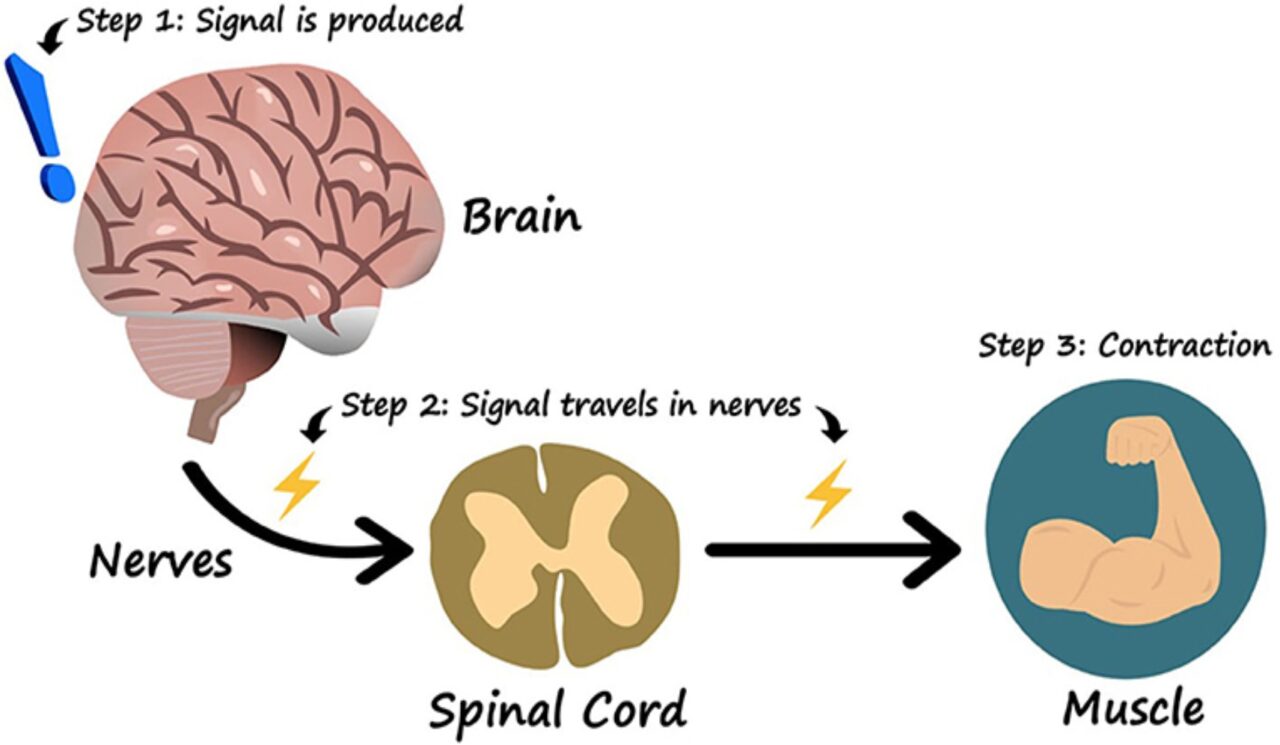
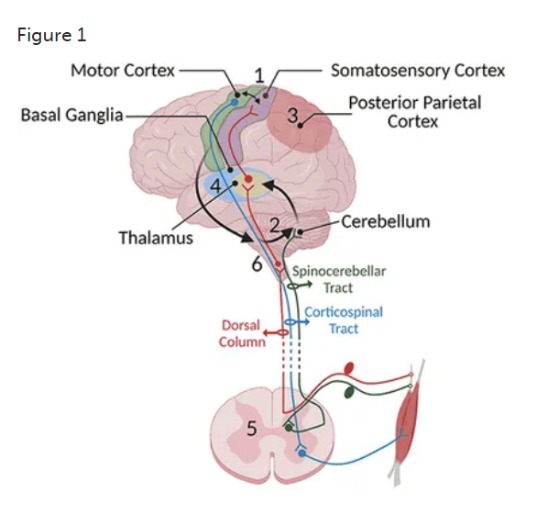
The traditional pathway of movement and communication is from the brain to the body.
This is referred to as the: Neuro-Muscle Axis
TO WHAT WE HAVE KNOWN FOR DECADES…
What We Know
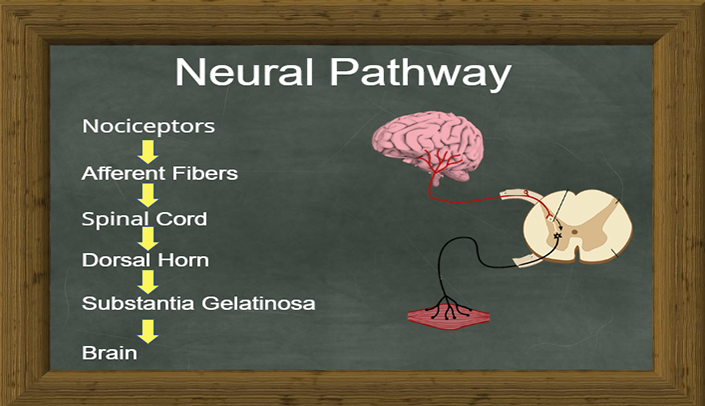
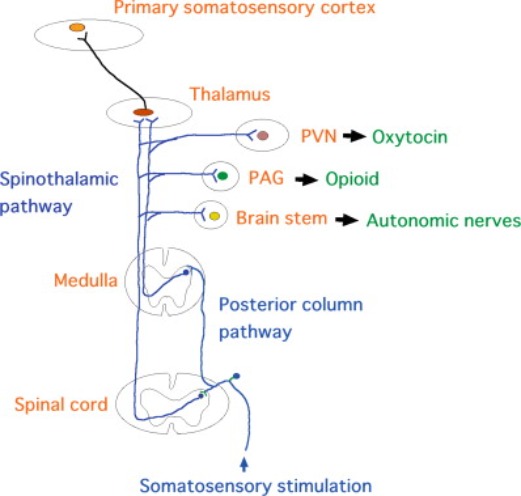
To date, what we understand about the “Body to Brain” axis is around the concept of being able to modulate pain via preferential attention to A-Alpha / A-Beta nerve fiber activation vs. A-Delta / C-Fiber pain stimulus.
This is referred to as: GATE Theory
TO THE SCIENCE LIMITATIONS OF OUR TECHNOLOGIES…
Limitations
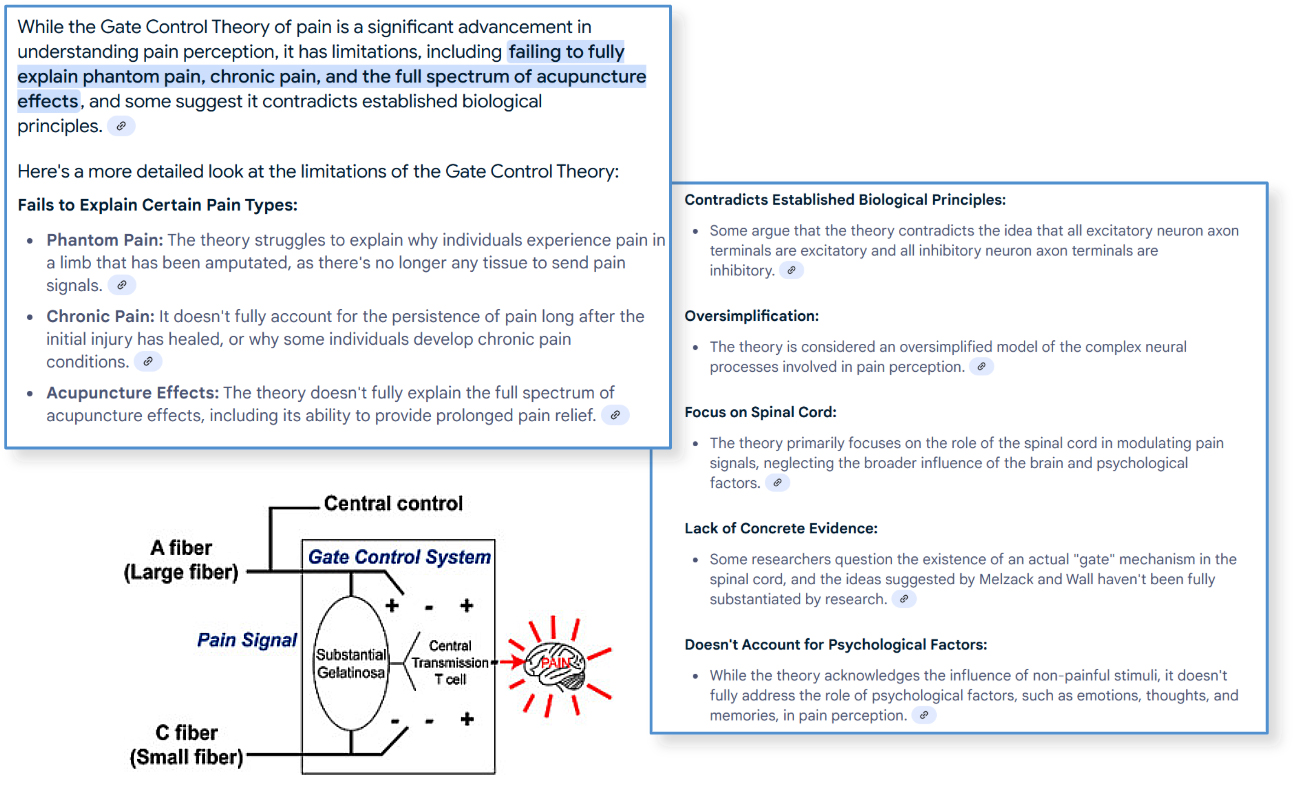
Since 1965, the collective medical community has not evolved beyond the concept that there are “gates” for communication afferent to the brain.
Is the science limited OR has the right delivery mechanism be invented yet?
TO WHAT WE ARE DISCOVERING…
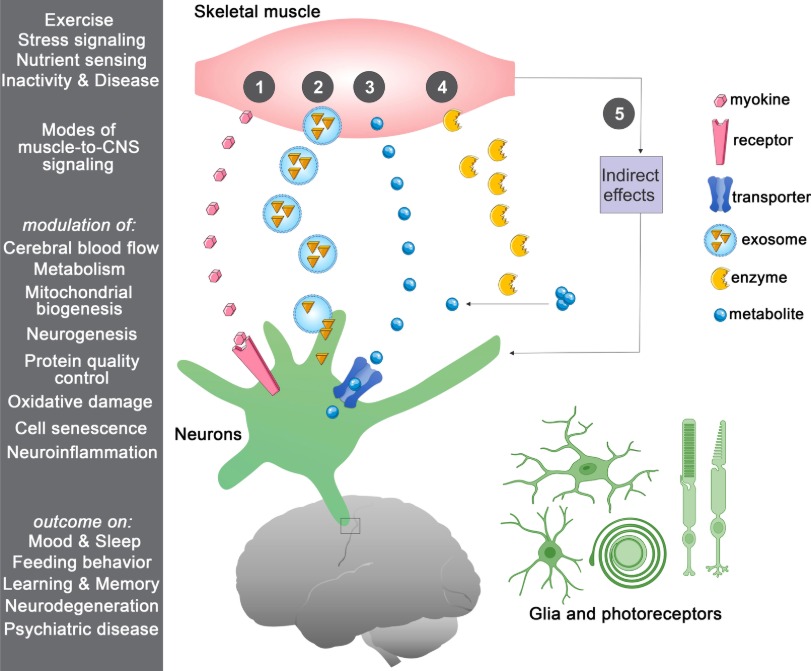
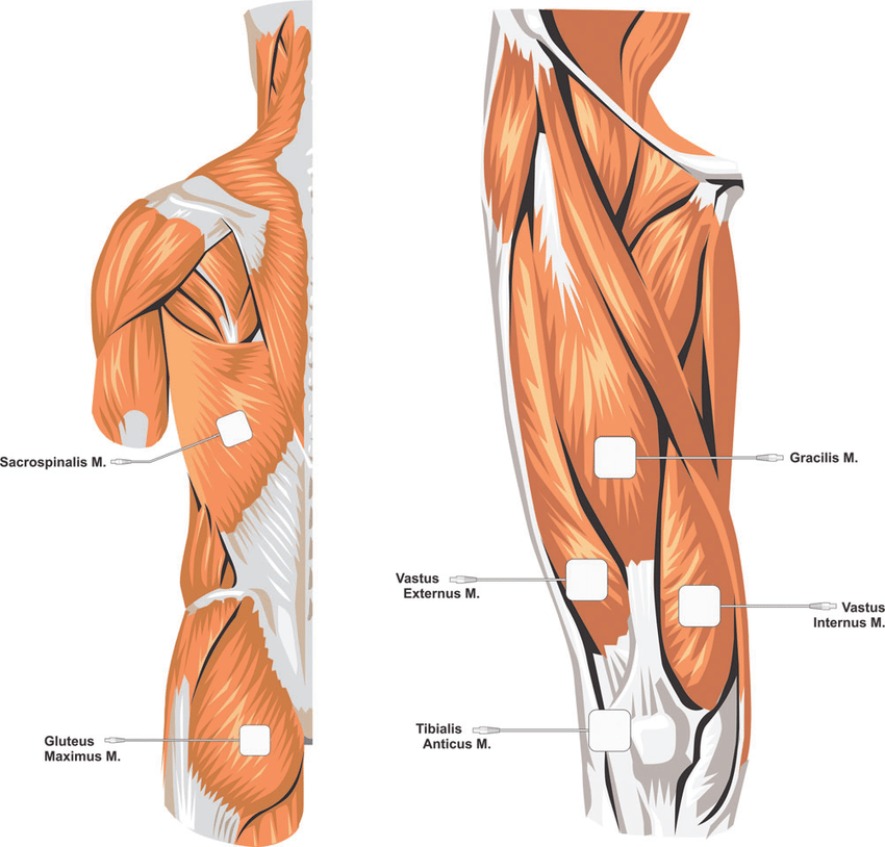
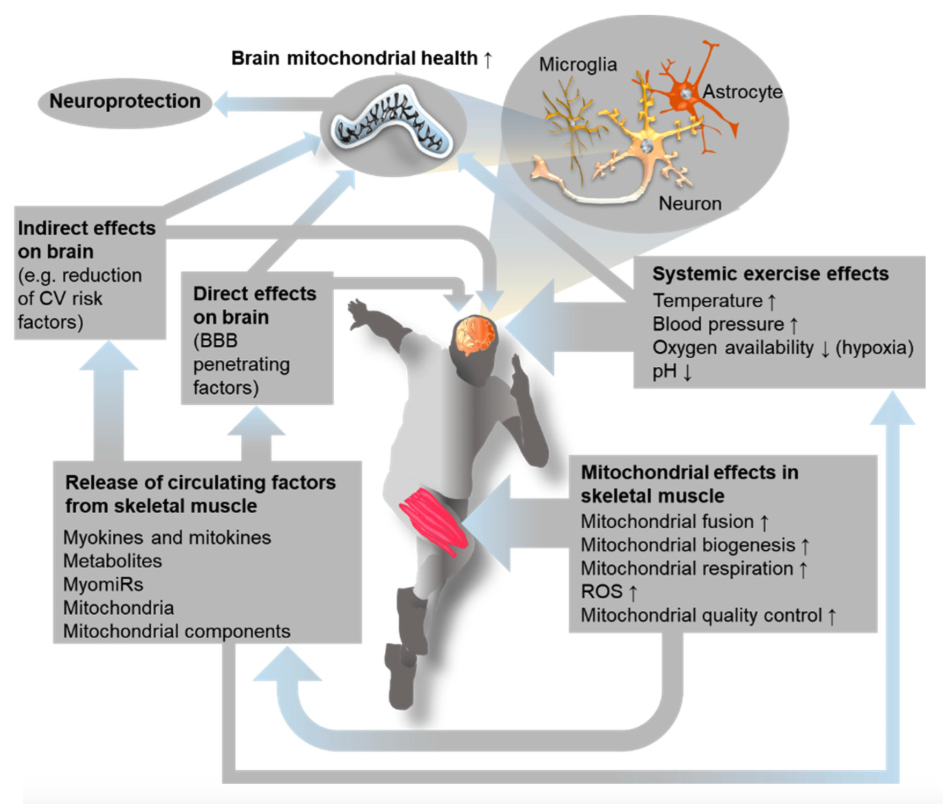
Because we are able to stimulate muscles locally and because recent research demonstrates that there is the ability for muscles to have an effect the brain afferently through myokines, then instead of there being just a Neuro-Muscle Axis….
We must refer to this new area of science as the: Muscle-Neuro Axis
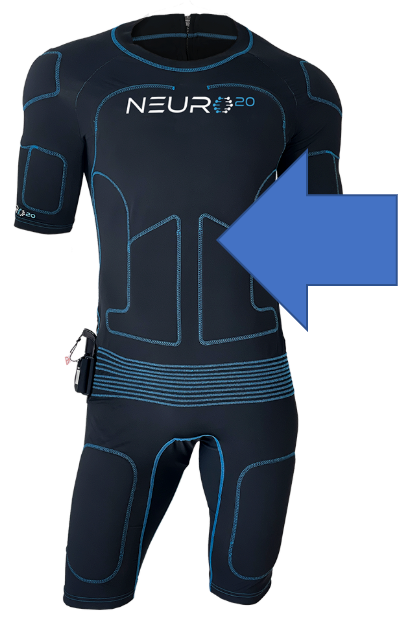
WE NOW CAN ASK THE QUESTION…
What if the “mass” electrical signaling of Neuro20, delivered externally, taps into ALL THE GATES….
….thereby breaking the “negative cycles” among the Brain, Spinal Cord, and Body?…
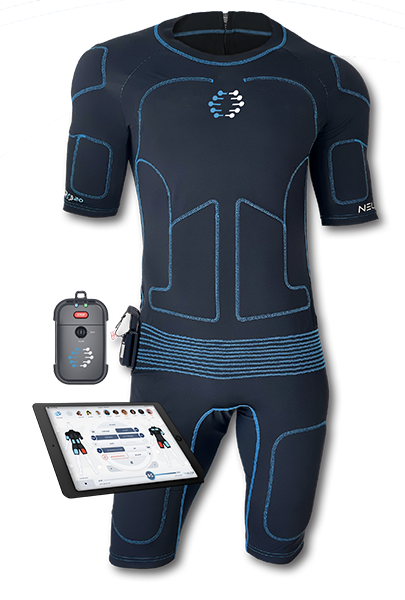
Then Neuro20 is the first non-invasive, drug-free, Electrophysiological Neuromodulation to stimulate HORMESIS
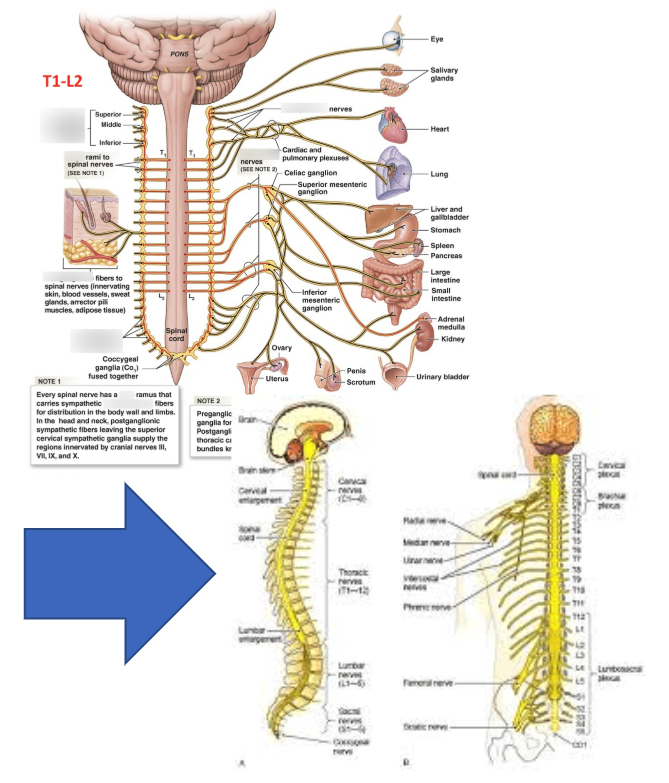
Hormesis: A biological phenomenon in which exposure to low doses of a substance or stressor that is typically harmful at higher doses can produce beneficial effects.
BECAUSE WE SEE THIS EFFECT VIA OTHER SIGNALING…
We Have Explored Other “Hormesis Mimicks” for Many Years
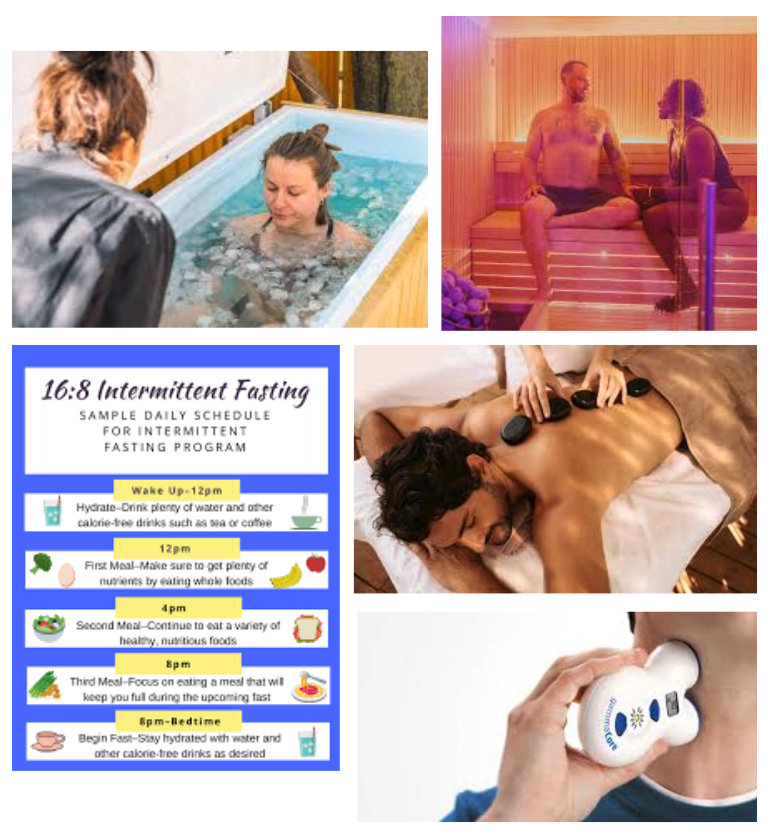
Other treatments that focus on “mass” signaling between the body and brain have shown benefits for overall health.
Cryotherapy (Cold – Sensory)
Sauna (Heat – Sensory)
Intermittent Fasting (Digestive – Metabolic)
Vagus Stimulator (CN X – Parasympathetic)
Massage (Mechanical – Sensory)
Exercise (Muscle Activation + Mechanical + Sensory + Multi-System Communication)
So, what if we apply safe mass electrical signaling?
AND IF EVERYTHING IS INTERCONNECTED…
We have identified that controlling a single “gate” can have positive impact on a signal pathway. We know there are benefits to “mass” signaling with other forms of treatment/therapy, and identified that muscle contractions can have an endocrine effect systemically that positively impacts the brain and body.
So as postulation, if a person is suffering from Mass Internal Dysfunctional Physiologic Signaling (MIDPS), then wouldn’t it be possible to reverse engineer this functional physiological signaling externally?
To learn more about the postulated mechanisms for Neuro20, please click here to view our detailed white paper on the potential for this incredible science.
WE MUST LOOK TO OUR PAST…
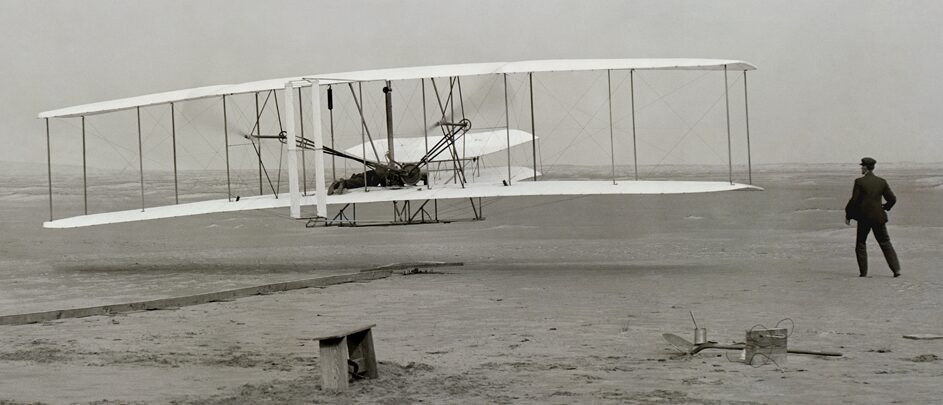
For thousands of years humans have watched in awe how birds fly… We could not fly until the “Wright” technological advancements were invented. The underlying scientific principles were alway there, we just needed the right delivery system to take to the skies.
WE MUST LOOK TO OUR PAST…
”Mass External Electro-Physiological Signaling” (MEEPS) Definition: The application of mass peripheral electrical stimulation to generate systemic physiological signaling creating a positive cascading effect on movement, internal homeostasis, and overall function improving quality of life.
–Dr. Keith J. Cronin, DPT (Cronilectric Theory)
Here are just some of the many relevant studies that support electrical muscle stimulation for medical purposes:
Autonomic Modulation by Electrical Stimulation of the Parasympathetic Nervous System: An Emerging Intervention for Cardiovascular Diseases
Vagus Nerve Stimulation (VNS)
Electrical Stimulation of Sacral Dermatomes Can Suppress Aberrant Urethral Reflexes in Felines with Chronic Spinal Cord Injury
The role of electrical stimulation for rehabilitation and regeneration after spinal cord injury
The Use of Mechanical Stimulation to Obtain the Sacral Reflex Latency: A New Techniqu
Artificial autonomic reflexes: using functional electrical stimulation to mimic bladder reflexes after injury or disease
Effects of Transcutaneous Electrical Nerve Stimulation in Autonomic Nervous System of Hypertensive Patients: A Randomized Controlled Trial
Autonomic Modulation by Electrical Stimulation of the Parasympathetic Nervous System: An Emerging Intervention for Cardiovascular Diseases
Spinal electrical stimulation to improve sympathetic autonomic functions needed for movement and exercise after spinal cord injury: a scoping clinical review
Effects of central nervous system electrical stimulation on non-neuronal cells
Bioelectronic medicine for the autonomic nervous system: clinical applications and perspectives
Sacral Nerve Stimulation For Urinary Urge Incontinence, Urgency-Frequency, Urinary Retention, and Fecal Incontinence
Autonomic Nervous System in Obesity and Insulin-Resistance—The Complex Interplay between Leptin and Central Nervous System
Role of the autonomic nervous system in the hemodynamic response to hyperinsulinemia – implications for obesity and insulin resistance
Evidence That the Sympathetic Nervous System Elicits Rapid, Coordinated, and Reciprocal Adjustments of Insulin Secretion and Insulin Sensitivity During Cold Exposure
Heart failure as an autonomic nervous system dysfunction
Autonomic Modulation for Cardiovascular Disease
Evidence for Autonomic Function and Its Influencing Factors in Subjects With COPD: A Systematic Review
Complexity of autonomic nervous system function in individuals with COPD
The association of cardiovascular autonomic dysfunction and the prediction of COPD can be explained by neurohumoral activation
Auditory driving of the autonomic nervous system: Listening to theta-frequency binaural beats post-exercise increases parasympathetic activation and sympathetic withdrawal
Frequency and Intensity of Electrical Stimulation of Human Sympathetic Ganglia Affect Heart Rate Variability and Pain Threshold
The 2 Hz and 15 Hz electroacupuncture induced reverse effect on autonomic function in healthy adult using a heart rate variability analysis
Effect of Patterned Electrical Neuromuscular Stimulation on Vertical Jump in Collegiate Athletes
Effect of exercise intensity on metabolic responses on combined application of electrical stimulation and voluntary exercise
Relationships between muscle strength and multi-channel surface EMG parameters in eighty-eight elderly
Neuromuscular electrical stimulation increases serum brain-derived neurotrophic factor in humans
The physiology of neural injury and regeneration: The role of neurotrophic factors
Comparison of Voluntary and Electrical Stimulation Contraction Torques
Changes in exercise capacity and serum BDNF following long-term sprint interval training in well-trained cyclists
Smart Glasses with Alexa Sponsored By Amazon 70 $169.99 $299.99 43% off Prime Day Deal Shop now ArticlePDF Available Neuromuscular electrical stimulation‐promoted plasticity of the human brain
Use of neuromuscular electrical stimulation to preserve the thickness of abdominal and chest muscles of critically ill patients: A randomized clinical trial
Electrostimulation Training Effects on the Physical Performance of Ice Hockey Players
Effect of Resistance Training along with Electrical Muscle Stimulation on Serum Levels of Some of the Molecular Markers of Muscle Hypertrophy in Male Athletes after Anterior Cruciate Ligament Surgery
PubMed Research
Effect of Patterned Electrical Neuromuscular Stimulation on Vertical Jump in Collegiate Athletes Mar 2011
K. Watanabe et al Effect of exercise intensity on metabolic responses on combined application of electrical stimulation and voluntary exercise. Physiological Reports Feb 2021
K. Watanabe et al Relationships between muscle strength and multi-channel surface EMG parameters in eighty-eight elderly Eur Review Aging and Physical Activity 2018 Apr 11;15:3
T Kimura et al Neuromuscular electrical stimulation increases serum brain-derived neurotrophic factor in humans. Experimental Brain Research Feb 2019
Tessa Gordon The physiology of neural injury and regeneration: The role of neurotrophic factors Journal of Communication Disorders Jul-Aug 2010;43(4):265-73
Kramer JF et al Comparison of voluntary and electrical stimulation contraction torques J Orthop Sports Physical Therapy 1984
Paulina Hebisz, et al Changes in exercise capacity and serum BDNF following long-term sprint interval training in well-trained cyclists. Applied Physiology, Nutrition, and Metabolism Oct 2018
R.G. Carson and A.R. Buick Neuromuscular electrical stimulation-promoted plasticity of the human brain. Jour. Physiol 2021 599.9 (2021) pp 2375–2399 Published on-line Sept 2019
Franck Brocherie, Nicolas Babault, Gilles Cometti, Nicola Maffiuletti, And Jean-Claude Chatard, Electrostimulation Training Effects on Hockey Players, Published March 2005, Medicine and Science in Sports and Exercise, Volume 37, issue 3 p. 455-460
Ana M Dall’ Acqua, Amanda Sachetti, Laura J Santos, Fernando A Lemos, Tanara Bianchi, Wagner S Naue, Alexandre S Dias, Graciele Sbruzzi, Silvia R R Vieira, MoVe- ICU Group, Use of neuromuscular stimulation to preserve the thickness of the abdominal and chest muscles of critically ill patients, a randomized clinical trial, Published Journal of Rehabilitation Medicine Jan 19;49(1) pgs. 40-48
Mohammad Hossein Khabbaz Kababi, Najmeh Rezaeian , Hossein Negahban Sioki , Ali Y’aghoubi, Effect of Resistance Training along with Electrical Muscle Stimulation on Serum Levels of Some of the Molecular Markers of Muscle Hypertrophy in Male Athletes after Anterior Cruciate Ligament Surgery, Published 2022 Journal of Basic Research in Medical Science 9(1): pgs. 1-8